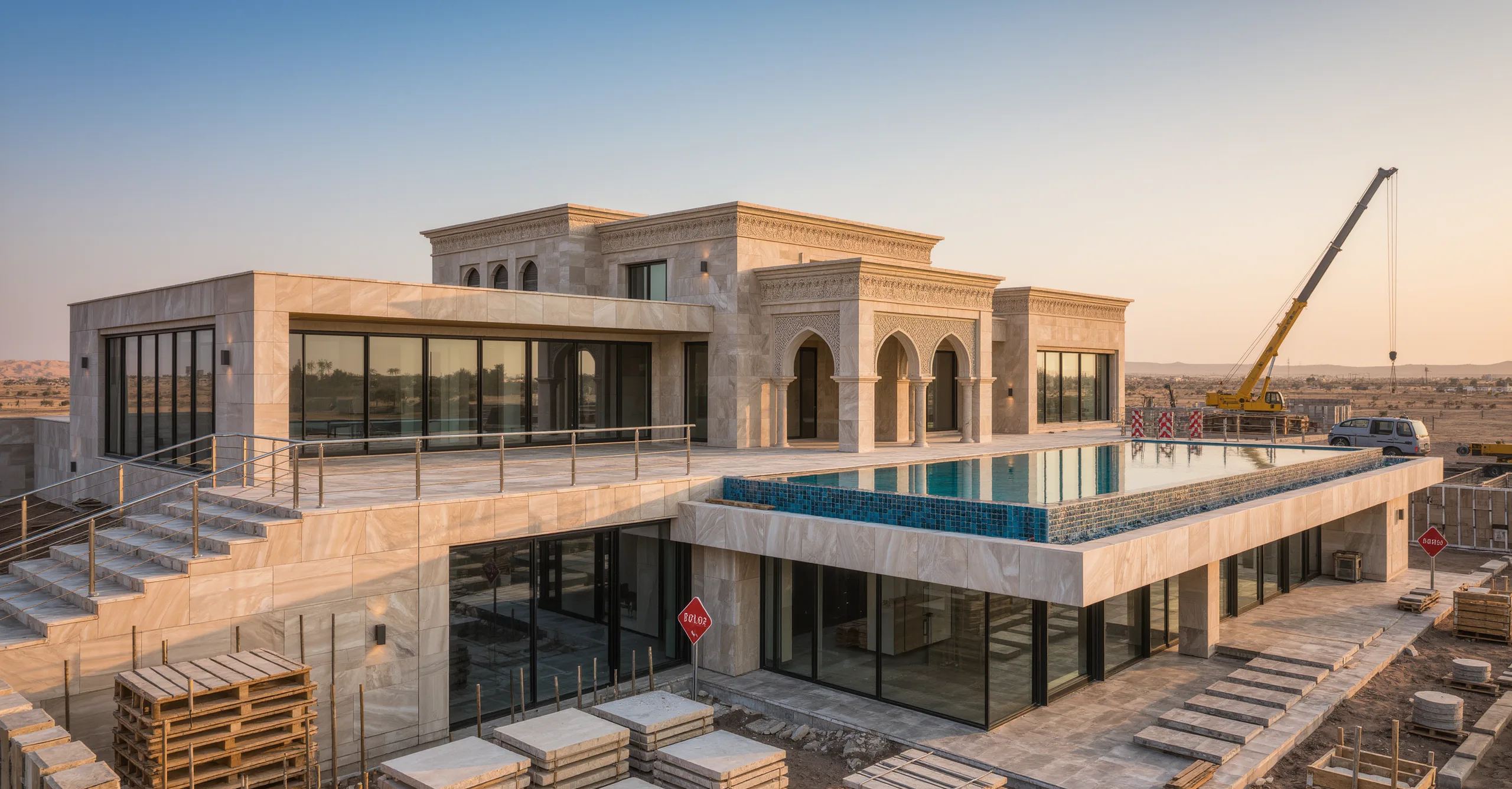
A good construction report relies on metrics that can be compared from one reporting period to the next.
Beyond the site photographs
Dated images add context to a progress report. They do not establish whether work is on programme, workmanship meets the specified standards or outstanding defects are being closed. A good construction report relies on metrics that can be compared from one reporting period to the next.
1. Actual physical progress
Measure completed work against the agreed scope and planned milestones, broken down by work package. Progress percentages need a transparent measurement basis to mean anything.
2. Milestone adherence
The share of milestones delivered on time makes schedule performance visible. Critical dependencies deserve attention before they start affecting other work packages.
3. First-pass inspection rate
This measures the proportion of quality checks accepted without rework. It gives a more useful view of workmanship than an inspection count alone.
4. Non-conformity resolution time
Every quality issue needs a date, priority, owner and verified close-out. Resolution time reveals whether the right corrective action is being taken promptly.
5. Defect closure
At handover, tracked defects and the percentage resolved give owners a clear picture of outstanding work and what remains to be signed off.
Reporting that supports decisions
These measures help decide where to intervene, which work package needs attention and what must be resolved before handover. Reporting frequency should be part of the project scope, with a concise summary of actions and responsibilities.